Dress codes
What to Wear to a Job Interview: Outfits for Every Industry
What to wear to a job interview: how to read the dress code, outfit ideas for corporate, business casual, tech and video interviews, and what to avoid.
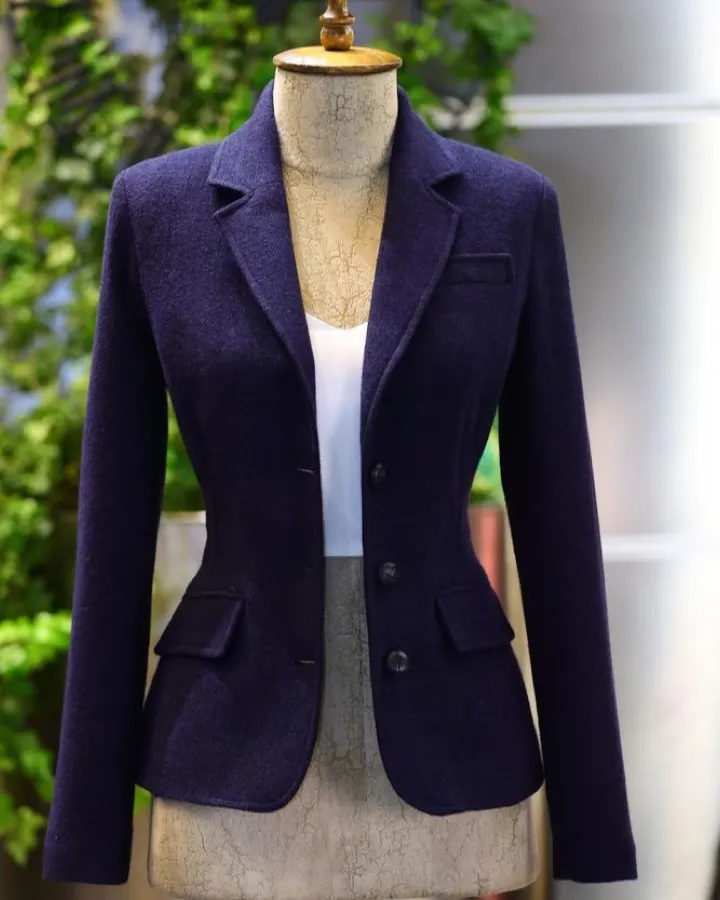
First impressions form in seconds, and what you wear is part of that impression before you've said a word. The goal of an interview outfit isn't to be memorable for your clothes. It's to look like you already belong on the team, so the conversation can focus on you.
Step 1: Work out the dress code
Before choosing an outfit, find out how people at the company actually dress:
- Look at the company's website, careers page and social accounts. Team photos are the best clue.
- Check LinkedIn for photos of people in the role you're applying for.
- Ask. It's completely acceptable to ask the recruiter "What's the dress code for the interview?"
Then follow the golden rule: dress one level above what employees wear every day. If they wear jeans and T-shirts, wear smart trousers and a shirt or knit. If they wear business casual, add a blazer. If they wear suits, wear a suit.
Interview outfits by industry
Corporate: finance, law, consulting, government
This is still suit territory.
- Suit: navy or charcoal, well fitted. A matching trouser or skirt suit works equally well.
- Shirt or blouse: white or light blue, ironed.
- Shoes: polished leather oxfords, loafers or closed-toe pumps with a modest heel.
- Details: a simple tie if you wear one, minimal jewellery, a structured bag or folder.
Business casual: most offices, healthcare admin, education, sales
- A blazer over a shirt, blouse or fine knit.
- Tailored trousers, chinos or a knee-length skirt.
- Or a simple dress with a blazer or cardigan.
- Leather shoes, loafers, low heels or clean leather boots.
Our business casual guide covers this dress code in detail.
Tech and start-ups
Most tech companies are casual, but "casual" in an interview still means polished.
- Dark jeans with no rips, or chinos.
- A crisp shirt, a fine-knit sweater or a plain premium T-shirt with an unstructured blazer.
- Clean leather sneakers or loafers.
Avoid a full suit unless the role is client-facing or senior; it can signal that you haven't researched the culture.
Creative: design, media, fashion, marketing
You have more room to show personal style, and it can count in your favour.
- Start with a smart base (tailored trousers, a good shirt or a simple dress).
- Add one considered point of interest: an interesting jacket, a print, a colour or great shoes.
- Keep everything well-fitted and intentional. Creative doesn't mean careless.
Hospitality, retail and trades
Dress like the best-dressed person doing the job. For a retail role, wear a polished version of the brand's style. For trades and warehouse roles, clean, smart-casual clothes (chinos, a collared shirt or a neat knit, clean boots) show you take the opportunity seriously.
What to wear to a video interview
Video interviews have their own rules:
- Dress fully, including trousers. You may need to stand up.
- Choose solid mid-tone colours like navy, blue, green or burgundy. Pure white can glare; small stripes and checks can shimmer on camera.
- Contrast with your background. If your wall is white, avoid a white shirt.
- Mind the neckline. The camera frames your upper body, so the collar, neckline and fit through the shoulders matter most.
- Test your setup the day before, outfit included.
Colours that work in interviews
| Colour | Impression |
|---|---|
| Navy | Trustworthy, calm, confident; the safest choice |
| Charcoal grey | Professional, logical, balanced |
| Black | Formal and authoritative; can feel severe in casual cultures |
| White / light blue | Clean and organised (for shirts and blouses) |
| Burgundy, forest green | Confident accents in small doses |
For more on pairing colours, see our colour combinations guide.
What not to wear
- Anything wrinkled, stained, faded or with loose threads.
- Clothes that don't fit, especially jackets that pull at the button or trousers that bunch at the ankle.
- Very casual items: hoodies, athletic wear, flip-flops, ripped jeans (unless that's genuinely the culture, and even then, skip the rips).
- Strong fragrance. Many offices are fragrance-sensitive.
- Brand-new shoes you haven't broken in. You may be walking more than you expect.
The night before
- Lay out the whole outfit, including socks, belt and accessories.
- Check it fits and is ironed.
- Check the weather and plan a coat or umbrella.
- Try it on and sit down in it. If it pulls or gaps when you sit, change it.
If you use Wearly, add the interview to your calendar or Plan tab with the occasion set to Work or Formal. The app will suggest complete outfits from your closet that match the dress code and the forecast, so you can choose calmly the night before instead of panicking in the morning.
Final checklist
- Matches (or slightly exceeds) the company's dress code
- Fits well, freshly cleaned and pressed
- Neutral base with at most one accent
- Comfortable shoes you can walk in
- Weather-appropriate outer layer
- Nothing distracting: the focus is on you
Good luck. You've already done the hard part by getting the interview.