Style rules
Color Combinations for Clothes: The Outfit Color Matching Guide
Which colours go together in an outfit? Colour wheel rules, 15 combinations that always work, and what to wear with navy, olive and burgundy.
You don't need an art degree to put colours together well. Most great outfits follow a handful of simple rules, the same ones stylists and designers use. Once you know them, getting dressed becomes much easier and your closet suddenly feels bigger.
Start with neutrals
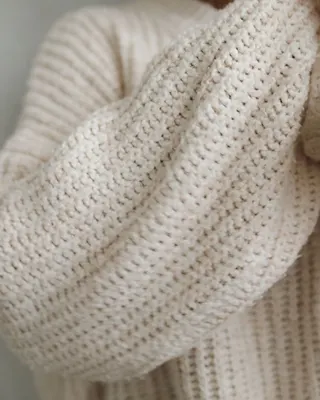
Neutrals are the foundation of almost every outfit. They go with each other and with nearly every colour, which is why they make up most of a well-built wardrobe.
- Classic neutrals: black, white, grey, navy
- Warm neutrals: camel, tan, beige, cream, brown
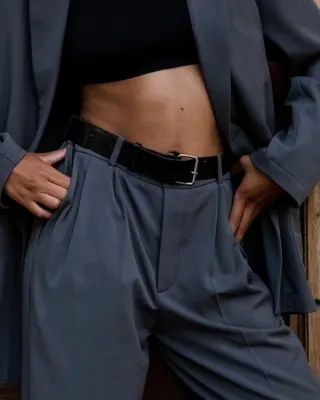
- Earthy neutrals: olive, khaki, denim blue
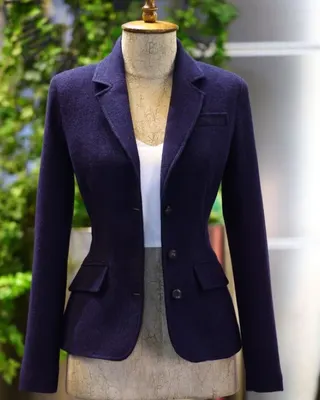
An outfit made entirely of neutrals can look sharp and expensive: think navy blazer, white shirt, grey trousers and tan shoes. Add one colour and it comes alive.
Colour wheel basics
The colour wheel arranges colours in a circle. Three relationships cover most outfits:
Analogous: calm and polished
Colours that sit next to each other on the wheel, like blue and green or red and orange. They blend smoothly and feel harmonious. Try a navy jacket with a teal shirt, or a rust top with a mustard scarf.
Complementary: bold contrast
Colours opposite each other, like blue and orange, red and green or purple and yellow. They make each other look brighter. Use them in small doses: a navy suit with a burnt-orange tie, or a camel coat (a muted orange) over a blue shirt.
Monochrome: effortless and elegant
Different shades of one colour, like light grey, mid grey and charcoal. Monochrome looks intentional and elongates your silhouette. Vary the textures (a knit, a smooth trouser, leather shoes) so it doesn't look flat.
The 60-30-10 rule
Interior designers use this, and it works for outfits too:
- 60% a dominant colour (usually a neutral, often your trousers and outer layer)
- 30% a secondary colour (your shirt or top)
- 10% an accent (shoes, a bag, a scarf, a watch strap)
It's a guide, not a law, but it explains why "navy trousers, white shirt, brown belt and shoes" works so reliably.
15 colour combinations that always work
| Combination | Why it works | Try it as |
|---|---|---|
| Navy + white | Crisp, high contrast | Navy blazer, white shirt |
| Navy + camel | Classic, warm and cool together | Camel coat over navy knit |
| Grey + burgundy | Rich colour on a calm base | Burgundy sweater, grey trousers |
| Olive + cream | Earthy and soft | Olive jacket, cream tee |
| Black + white | Timeless | Black jeans, white shirt |
| Denim + white | Fresh and casual | Jeans, white tee, white sneakers |
| Brown + light blue | Warm meets cool | Light blue shirt, brown chinos |
| Camel + white | Clean and expensive-looking | Camel trousers, white knit |
| Navy + pink | Soft contrast | Pink shirt, navy suit |
| Grey + yellow | Bright accent on neutral | Mustard knit, grey trousers |
| Black + camel | Sharp and warm | Camel coat, black roll-neck |
| Green + navy | Analogous, calm | Forest green knit, navy chinos |
| Rust + denim | Complementary, relaxed | Rust overshirt, blue jeans |
| Tonal greys | Monochrome, elegant | Light grey knit, charcoal trousers |
| Cream + brown | Warm tonal | Cream sweater, brown cords |
What goes with...
Navy: white, grey, camel, tan, burgundy, olive, light blue, pink, mustard.
Grey: almost anything. It flatters burgundy, navy, pink, yellow and green especially well.
Olive: cream, white, navy, tan, rust, black and denim.
Burgundy: grey, navy, camel, cream, olive and denim.
Black: white, grey, camel, red and other strong colours. Black can look harsh with navy or dark brown unless the textures differ clearly.
Patterns and colour
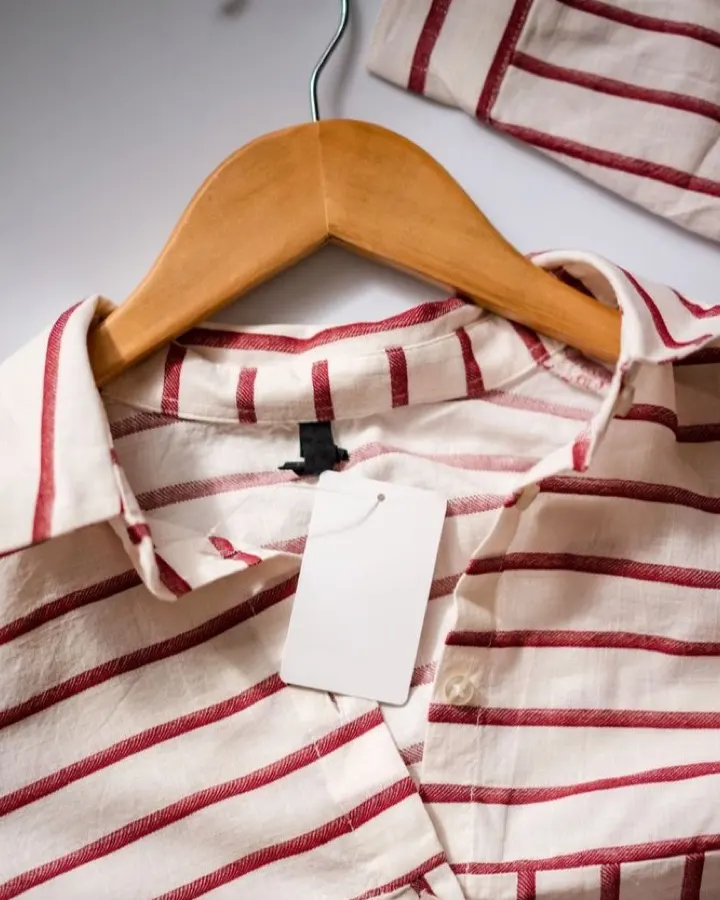
When you wear a pattern, let it set the colour story. Pull one colour from the print and repeat it somewhere else in the outfit, for example a striped shirt with a navy stripe worn with navy trousers. If you mix two patterns, vary the scale (a fine stripe with a large check) and keep at least one colour in common.
Common colour mistakes
- Too many strong colours at once. Two is usually the limit; let neutrals do the rest.
- Matching too perfectly. A tie in exactly the same colour as the shirt looks flat. Go a shade lighter or darker.
- Ignoring undertones. Warm colours (camel, rust, cream) and cool colours (grey, icy blue, pure white) can clash subtly. Mixing them works best with a neutral in between.
- Forgetting shoes and belts. They count. Brown shoes warm up a cool outfit; black shoes make it sharper.
Let the colour theory run itself
Every time Wearly builds an outfit, it checks the colours of your actual clothes against these rules: neutrals as the base, at most a couple of strong colours, complementary or analogous pairings, and an accent that ties it together. It explains each suggestion in plain words, so you learn what works for your wardrobe as you go.
For more, read our capsule wardrobe guide to build a palette where everything matches, or the business casual guide for office-friendly colour choices.